The supermarket wanted 1,200 cases. There wasn’t one bottle yet.
Jeffrey House spent ten years selling other people’s cider in America. Then he took an order for 1,200 cases of his own cider, ACE, before he had bottled any.
Jeffrey House did not go looking for cider. He was trying to sell London Pride, one Irish pub at a time, along Geary Street in San Francisco.
Ireland’s 32 said no. So did the Abbey Tavern, and Pat O’Shea’s Mad Hatter. At the last pub on the street, Kieran Burns turned him down too, then asked him, in rather stronger words, where his cider was.
Burns told him to go after Bulmers of Hereford or Taunton of Somerset. It was the early eighties, and Thames America had a new drink to find. House dates his own time in cider from 1983.
Thames America’s cider years
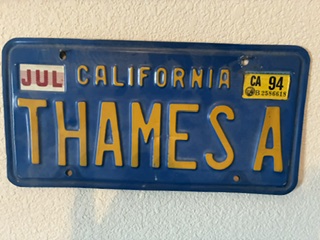
Bulmers already had an American importer for Strongbow and Woodpecker. So House went to Taunton.
There were two Blackthorns to choose from. Thames America picked Taunton’s medium Special Vat and sold it as Blackthorn, judging the Dry too dry for American drinkers. Ken Vermes, writing in the trade press at the end of the nineties, counted the Taunton ciders as the first imported draught ciders sold in the United States.
Bars had no room for another cooler, so Taunton supplied about fifty glycol chillers. Blackthorn went on one spigot and London Pride on the other. In time there were around a hundred taps, and two to three hundred 50-litre kegs a month.
“We made Blackthorn the number one draft cider in the Western States.”
The business moved to the fourth floor of 211 Sutter Street, the old KSAN radio offices, with a warehouse at Pier 23 on the Embarcadero.
Ten years, then his own
An importer gets about ten years with somebody else’s brand, as he puts it in his memoir The Cider King, and he watched it happen twice. Fuller’s went to Grolsch Imports in 1990. Blackthorn went to Miller in 1993, after which Thames America represented Inch’s Stonehouse draught cider, until Bulmers bought Inch’s.
“Having lost a couple of brands, Fuller’s to Grolsch, Blackthorn to Miller, I thought, well, the next one I lose, if I’m going to lose one, I’m going to own it.”
It took him three years. He started the California Cider Company in Sonoma in 1993, he says, and had ACE contract made “from all the local apples in Sebastopol, California”.
House told a trade writer in the nineties that he settled on ACE after realising “jack” was already in use. ACE Apple came first.
The look came from an advertising man. House had met Bill LaBranche at a party in 1986 and used him freelance for twenty years before putting him on the payroll.
LaBranche designed the first six-pack and the logo, and as the range grew he set the fruits into the playing cards. Both of them had come out of agencies, so they worked the way they always had, House writing the copy and LaBranche making the pictures.
The Lucky order
In 1993 House and David Cordtz, Thames America’s sales manager, got an appointment with Don Brown, the new beverage buyer at Lucky, Safeway’s biggest rival.
“If you’re lucky, you get ten minutes or so with a chain buyer.”
Blackthorn was already in Safeway, and House offered Brown the same deal. Brown wasn’t interested. He asked instead whether they had a local Californian apple cider in 22-ounce bombers, at $24 a case. They hadn’t bottled any ACE yet.
“But I lied and said yes.”
Brown wanted a container load: 1,200 cases. The first bottling run came in 1994, and that is how ACE went into bottles. A trade report later named Brown as the buyer who approved the first bottled ACE for Lucky stores in Northern California.
By 1997 the company was selling more than 70,000 case equivalents a year, and a pear cider had joined the apple in six-packs.
A building in Sebastopol
The business had already found an office. In 1989 House had bought 714 Penny Royal Lane for Thames America, and it later became California Cider’s home.
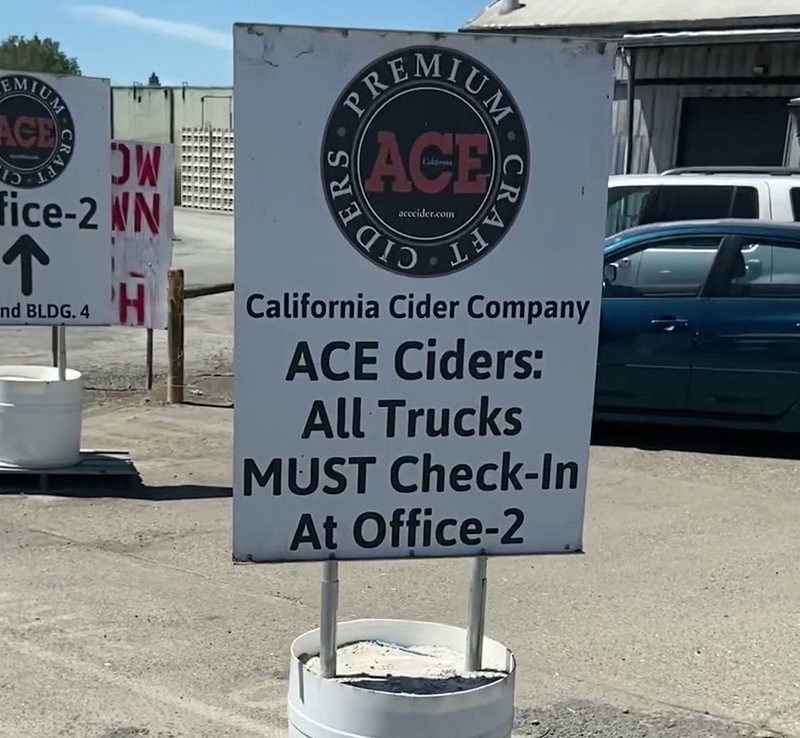
The cidery needed somewhere bigger. In his account Warren Dutton’s family, local apple and wine growers, built a building for it, gave him three years rent-free, and took 5% of the company in return.
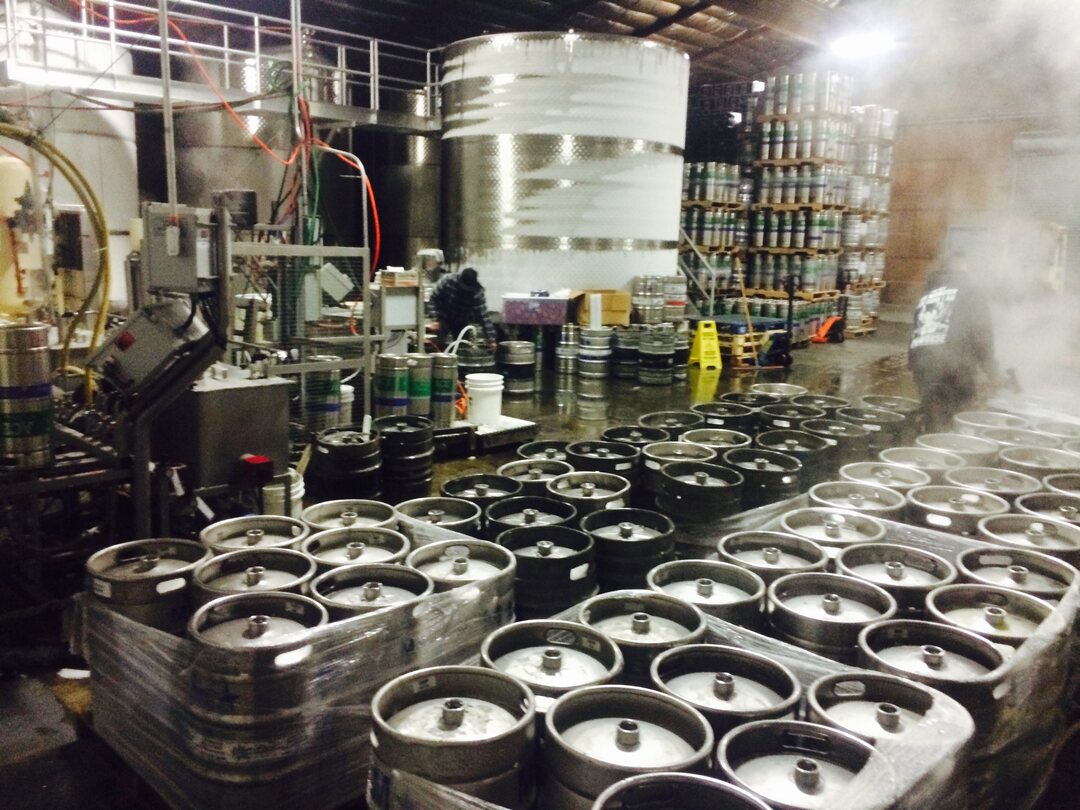
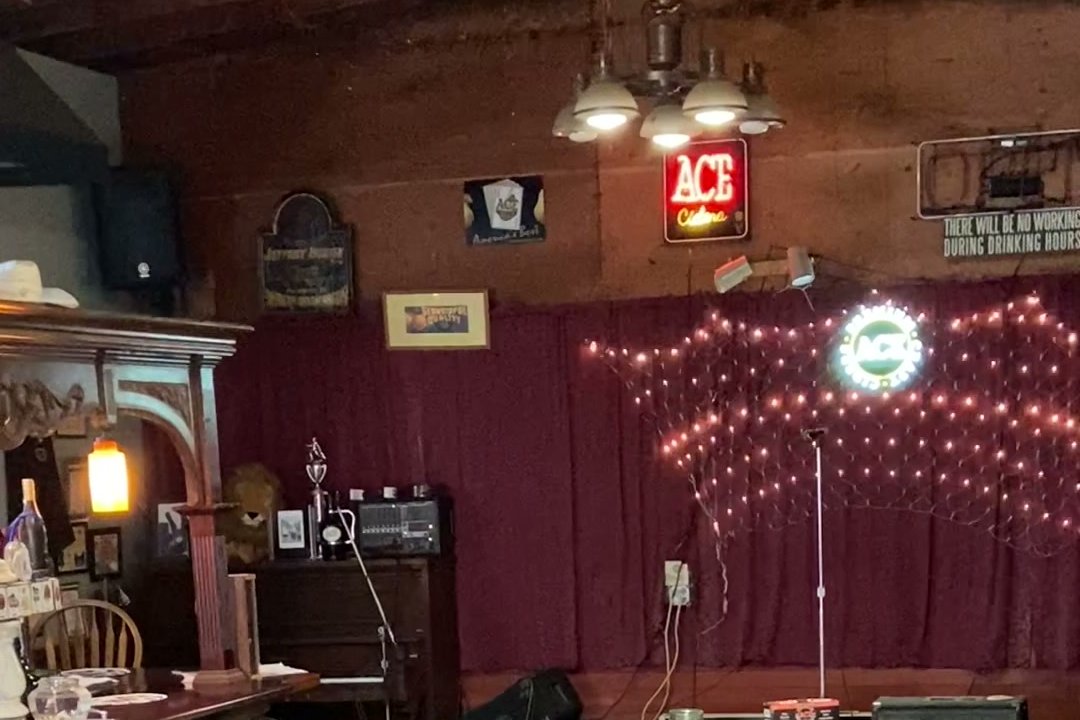
In early 1998 the trade press reported an ACE cider pub in the planning. It opened in Sebastopol in 1999 as the Ace in the Hole, which House calls the first modern cider-centred pub in the United States. “We had the first cider pub in America,” he says, “the very first in 1999.”
It kept him for twenty-two years and it did not stay still. The first pub stood at 3100 Gravenstein Highway North and lost its lease at the end of 2009, and a second opened further down the same road, at 2064, with a bar made in Cornwall. House says people travelled to it from a long way off.
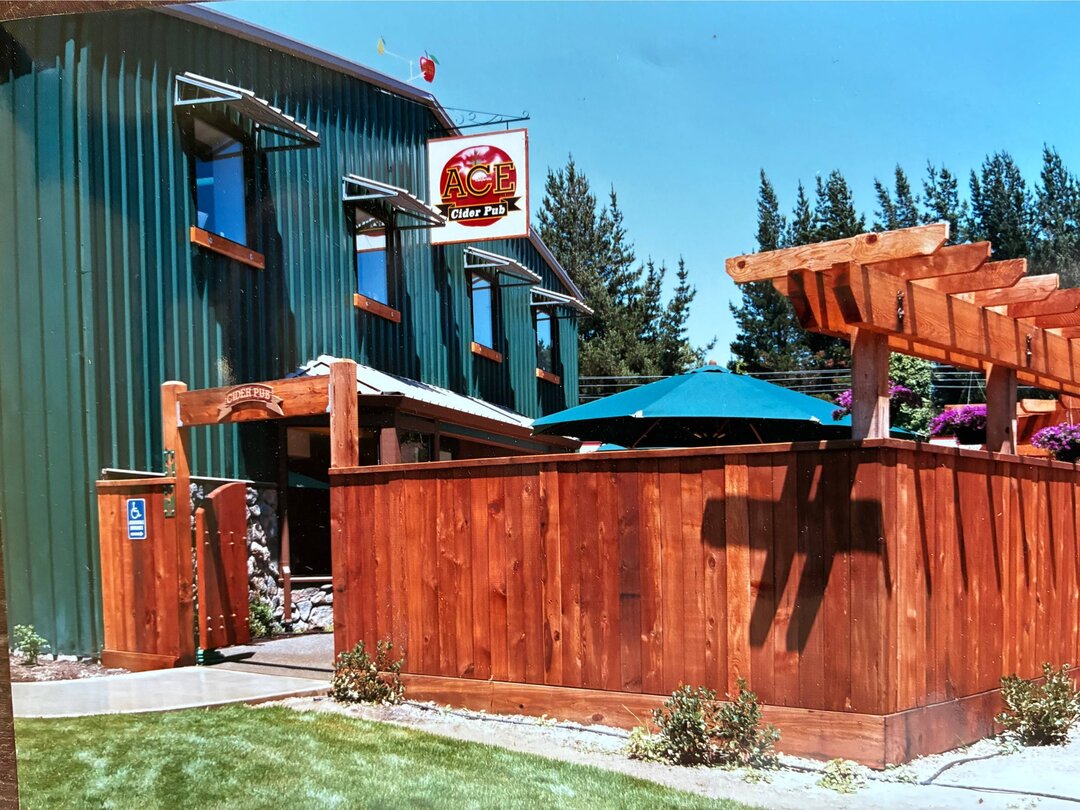
What filled it was the county it stood in. Musicians had settled in west Sonoma, many of them having moved out from Haight-Ashbury to Sebastopol, and House remembers a lot of Dead Heads and busy Friday nights. The music, he says, was good at both addresses.
The pineapple years
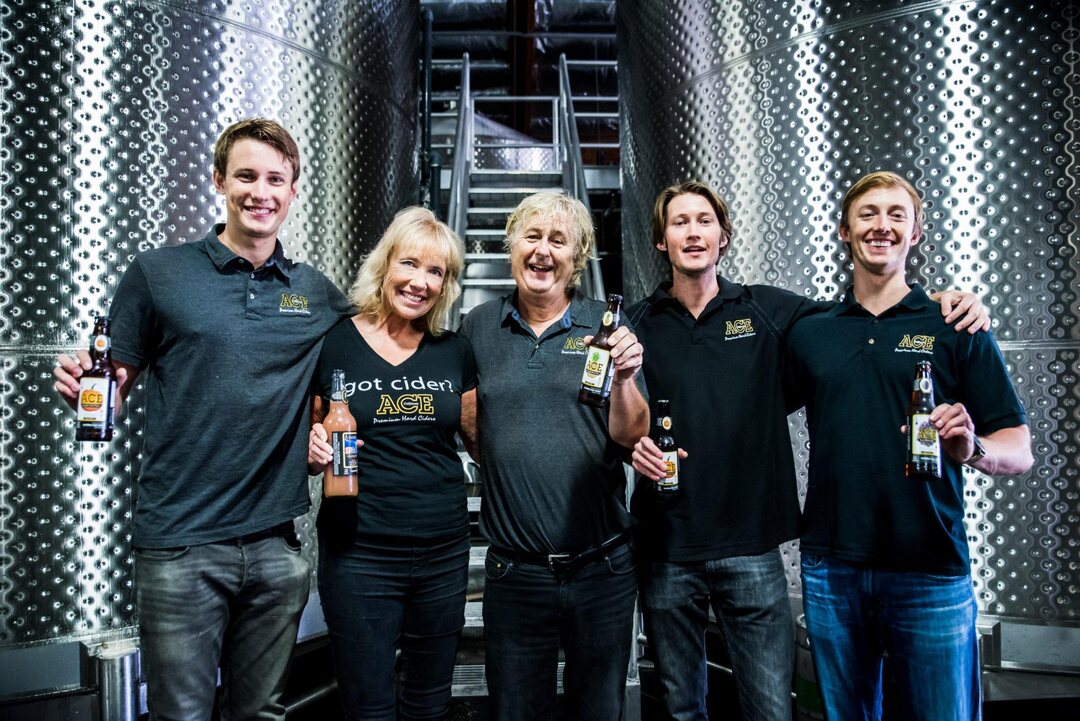
All three of House’s sons came into ACE. Jason ran production and operations and Simon sales and marketing, and Jeremy, the youngest, joined in 2015 at twenty-two, out of the Orfalea College of Business at Cal Poly San Luis Obispo, to run sales in San Francisco and from Eureka to Monterey. In the same book House credits his wife, Angela, with “many promotions, tastings, and even radio commercials for ACE ciders”, and calls her “a great support to me in both my illness and my businesses”.
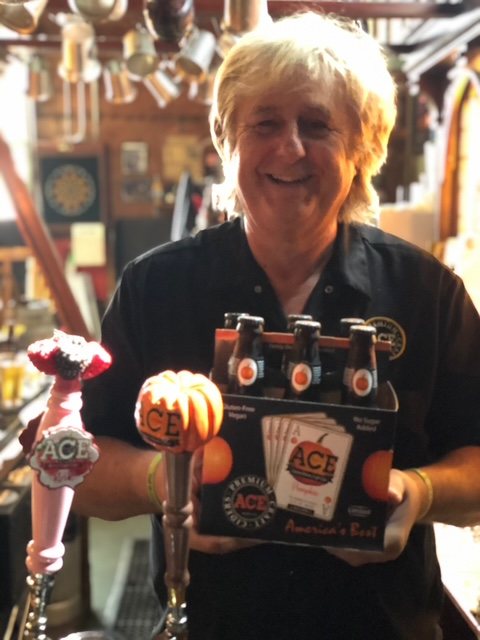
The name came out of a pack of cards. Jack was an early American word for cider, after the applejack farmers made by burying jugs through the winter to freeze them stronger, and in his account the four Jacks in a pack are each drawn slightly differently, which suited a line made from different fruit rather than apples alone. Jack was already trademarked. His art director offered Kings, turned down on the grounds that Americans are rebels at heart, then Queens, turned down because half the people drinking cider are men. Then Ace, which Webster’s gave him as number one, top of the pack. Apple, Pear, Berry and Honey became what he calls the four ACEs.
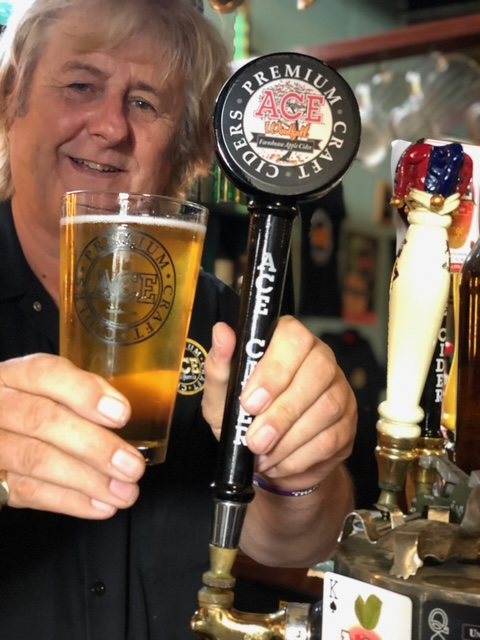
House counts the range as the thing that set ACE apart, and he was early to most of it. A pear cider followed in 1994, which he calls America’s original perry. Pumpkin arrived in 2010, which he calls the world’s first pumpkin cider, pitched at the time of year everything else gives over to beer. Joker sat alongside the sweeter bottles as the original low-calorie, high-alcohol dry cider. In 2013 came pineapple. When Vintage Wine Estates announced its purchase of ACE in November 2021, it called ACE Pineapple the world’s original pineapple cider and the best-selling fruit-flavoured cider in America.
From 70,000 case equivalents in 1997, he puts sales at 1.3 million a year by the time he sold. ACE reached every state, he says, New Hampshire last of all, and ten countries beyond America.
Some of that rise came on other companies’ marketing budgets. House says he encouraged Jim Koch of Boston Beer into cider. Angry Orchard went national in April 2012. That October, Woodchuck of Vermont’s owners agreed to sell to C&C, which owns Magners, for $305 million, and House reckons they got out at the right moment. By the following summer Angry Orchard had passed Woodchuck as the brand leader.
He takes it as proof of his own argument. A category grows when somebody bigger than you decides to spend on it.
Everyone who wanted it
ACE was for sale long before it sold. What follows is his account of who came for it. Agrial, the French agricultural co-operative, first came to him in 2005 wanting ACE to import its Loïc Raison brands. He said no.
In 2014 they flew him to Paris and drove him round their cideries in Normandy and Brittany, and standing in their Paris office he told them to write a cheque for $30 million. What came back was $14 million up front and an earnout he says he could not follow, so he turned that down too. Agrial bought Seattle Cider instead.
Kopparberg of Sweden, the biggest fruit cider company in the world, sent its owner and its finance director to Sebastopol and could not agree terms either.
He had also offered it to Jess Jackson of Kendall-Jackson, whose children were at school with his. Jackson passed, and died in 2011. Jackson’s son Chris, House says, now owns Golden State Cider up the road, ACE’s nearest Californian rival.
What changed was the ground under the business. Two fires came through northern Sonoma County. Then the pandemic shut the bars, restaurants and resorts that had been a third of the revenue and nearly half the profit, and took the Disneyland and Disney World accounts with them.
Apple juice doubled in price and production stopped for want of it. Cardboard and cans ran short, freight tripled, rents went up by half. The trade wanted the range taken out of bottles and put into cans, which meant spending heavily on a plant he had already built once. Grocery went the other way and 2021 turned into the best year the company ever had, which is a good year to sell.
The sale, and going back
He had turned down their first offer. The deal came back when he ran into Pat Roney, Vintage Wine Estates’ chief executive, at the deli counter of his local supermarket and asked him whether he still wanted to buy the company. He said yes. On 16 November 2021 House sold the California Cider Company, Thames America and the ACE brands to Vintage Wine Estates. The buyer’s own accounts put the consideration at $47.4 million, a figure that already takes in cash and a valuation of the contingent consideration. House counts about $56 million in all, which covers cash held in the business, asset sales, the earnouts and the true-up. The two are not the same measure.
Vintage Wine Estates went into bankruptcy in 2024 and ACE went to auction. House tried to buy it back. He told the Press Democrat in August 2024 that he was not doing it for the money but for his legacy, and that he did not want to see thirty years of work go down the tubes. He bid alongside Playa Capital and stopped at $7.185 million, the paper reported, and the sale order records the winning bid at $7.63 million from two Lipton family companies, Ace Cider I and Cider Leasing. Reva Lipton signed as president of the first, and her sister Gila Lipton Blum is president of ACE today.
They hired him. He went back as general manager for about eight months, restarting the business and rebuilding it, and looking after what he had built.
It is still made in Sebastopol. The name on the tap is the one he chose in 1993.
House started in cider because a man in the last pub on Geary Street asked him where it was. He ended up making it.
“We actually not only built a brand, we helped build a category that had been lost in America.”
More on Jeffrey House and Thames America: Before he could sell ESB to America, he had to sell it to Fuller’s and Why Firestone Walker chose Fuller’s yeast.